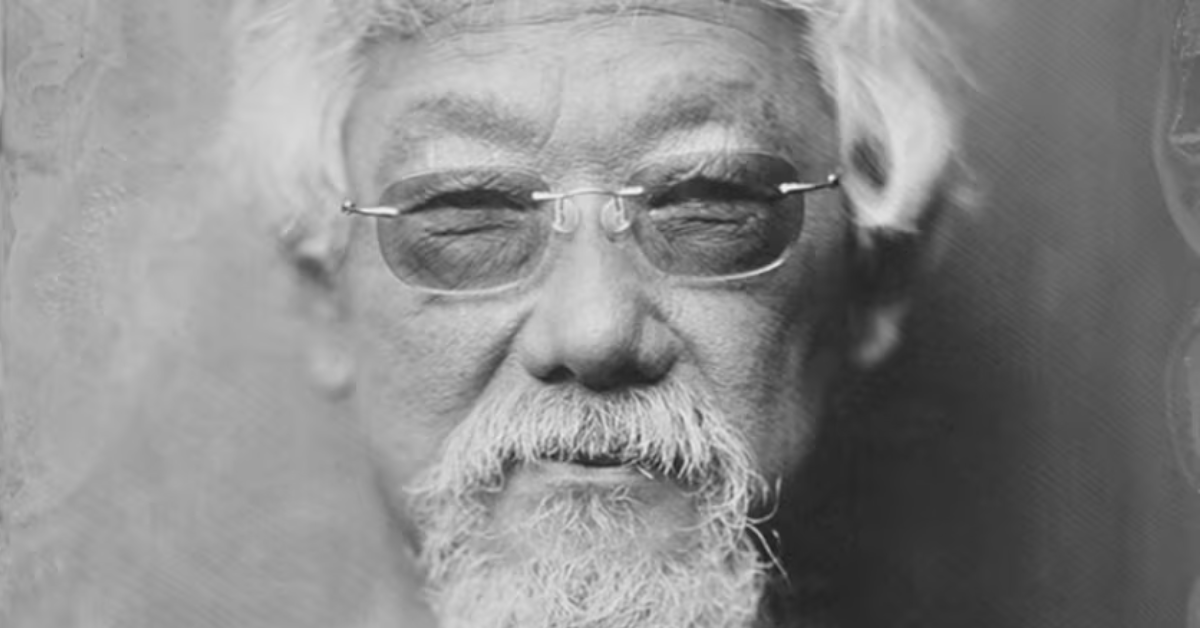
At 90 years old, David Suzuki continues to be one of the most influential voices in environmental science. After decades of raising awareness about climate change, he now reflects on his life’s work with a mix of pride and concern—believing he did everything he could, yet fearing it may not have been enough.
Overview
| Aspect | Details |
|---|---|
| Name | David Suzuki |
| Age | 90 |
| Profession | Scientist, broadcaster, environmentalist |
| Known for | The Nature of Things |
| Foundation | David Suzuki Foundation |
| Key concern | Climate change and global inaction |
| Main message | Urgent need for action and community resilience |
| Legacy goal | Inspire future generations |
A Lifetime Dedicated to Science and Nature
For decades, David Suzuki has helped millions understand complex environmental issues. Through his long-running television program, The Nature of Things, which he began hosting in 1979, he brought science into everyday conversations.

His commitment extended beyond broadcasting. In 1990, he founded the David Suzuki Foundation, focusing on practical solutions to environmental challenges. Over the years, his work earned him prestigious honors, including the Companion of the Order of Canada and the UNESCO Kalinga Prize.
Early Lessons That Shaped His Voice
Suzuki often credits his father for shaping his strong convictions. As a young student, he once gave a cautious, non-committal answer during a school election interview. His father strongly criticized him, emphasizing that trying to please everyone meant standing for nothing.
That lesson stayed with Suzuki for life, guiding him to speak openly and boldly about environmental issues—even when his views were controversial.
A Warning Ignored

Suzuki recalls that global awareness of climate change began rising in the late 1980s. One of the first major international conferences on the issue took place in Toronto, where scientists warned that humanity was conducting a dangerous experiment with the planet.
Scientific Evidence of a Crisis
Recent scientific findings reinforce Suzuki’s concerns. Research from the Stockholm Resilience Centre identifies nine “planetary boundaries” that maintain Earth’s stability. Crossing these limits risks irreversible damage.
By 2025, reports indicate that seven of these nine boundaries are already under severe stress, including climate change, biodiversity loss, and pollution. Suzuki emphasizes that the planet may have already passed key tipping points.
The Need for Community Preparedness

As global systems struggle to respond, Suzuki believes local communities will play a crucial role in adapting to climate change. He points to countries like Finland, where citizens are being encouraged to prepare for emergencies such as floods, droughts, and extreme weather.
He stresses that governments alone may not be able to handle the scale of future crises. Instead, communities must organize themselves—identifying resources, skills, and support systems to respond effectively.
Rethinking Humanity’s Relationship with Nature
Suzuki argues that modern economic and political systems often ignore nature entirely. In contrast, Indigenous cultures emphasize balance and reciprocity—taking from nature while also protecting it.
He believes this perspective is essential for building a sustainable future. Without a fundamental shift in how humanity views its relationship with the environment, meaningful progress will remain limited.
A Personal Reflection on Legacy
Looking back on his life, Suzuki expresses both hope and regret. While he has dedicated decades to raising awareness, he worries that society has not taken the necessary steps to prevent environmental damage.
Still, his message remains deeply personal. He hopes his grandchildren will remember him as someone who tried his best to make the world better.
For Suzuki, the true measure of humanity lies in the effort to improve, even in the face of overwhelming challenges.
Conclusion
David Suzuki’s reflections at 90 offer both a warning and a call to action. Despite decades of advocacy, he believes the fight against climate change is far from over—and may already be at a critical point.
Yet, his message is not one of defeat. It is a reminder that effort still matters. By embracing responsibility, strengthening communities, and rethinking our relationship with nature, there is still an opportunity to create a better future.